The answer — one pick, priced
Get the
Bluetti Elite 200 V2
no budget ceiling
The cheapest way to keep the essentials alive — 2,600 W continuous, 4 AC outlets, and a 0–80% recharge in 50 minutes for the fridge, internet and lights.

Fit ledger — need → measured evidence
■ The catch — co-equal billing, always
It's portable, not a backup system. 2.07 kWh and 2,600 W means no 240V, no split-phase, no transfer switch — you plug appliances into it rather than backing up the panel, and central AC or an electric range are out of the question.
Dealbreaker? Runner-up №1 adds real 120V/240V split-phase for $900 more ↓
■ Every product has a catch. Verdicts that hide it are how bad buys happen.
Don't buy this if…
- you want a portable battery for camping, RV, or tailgating rather than home backupportable power stations dossier →
- you specifically want a solar generator (battery + solar panels bundled) for off-grid usesolar generators dossier →
- you only need to charge phones, laptops, and small devicesportable chargers power banks dossier →
- you want a fuel-burning standby generator (natural gas / propane / gasoline) instead of a battery
Wrong product for you is still a bad buy. These are the cases where we'd send you somewhere else.
Runners-up — if your needs differ

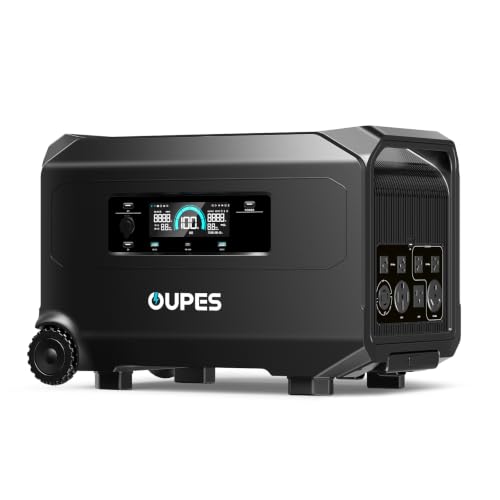
Adjacent verdicts — other needs, same method
Different budget, different household, different job — each of these is already researched, priced and verified. Take the one that matches your need.
Traps — this verdict avoids
Why the Bluetti Elite 200 V2 is right for you
It avoids every trap below — and for just me, no budget cap, it is the pick because it delivers:
The vanished 30% credit
The One Big Beautiful Bill Act killed the 30% federal 25D credit for homeowner-owned batteries finished after 2025-12-31 — and the IRS counts the expenditure when installation is *completed*, so a 2026 install gets nothing. That is $3,500–$5,500 of real cost added back to an installed system. Not tax advice.
Surge watts aren't run watts
Continuous (rated) wattage powers your loads; peak/surge figures last 3–10 seconds and only cover motor-start inrush. A single 13.5–15 kWh battery rarely runs central AC and an electric range at the same time without load management.
Whole-home math
True whole-home coverage needs 30 kWh+ of usable storage — most homes start with one 10–15 kWh unit on critical circuits (fridge, lights, internet, well pump). And installed quotes of $11,500–$18,500 per battery include labor and permits, while Amazon prices are hardware-only.
Provenance — 11 sources, dated
Winners are picked from the full research dossier at knowledgelib.io. Prices, stock and listings are re-verified monthly.